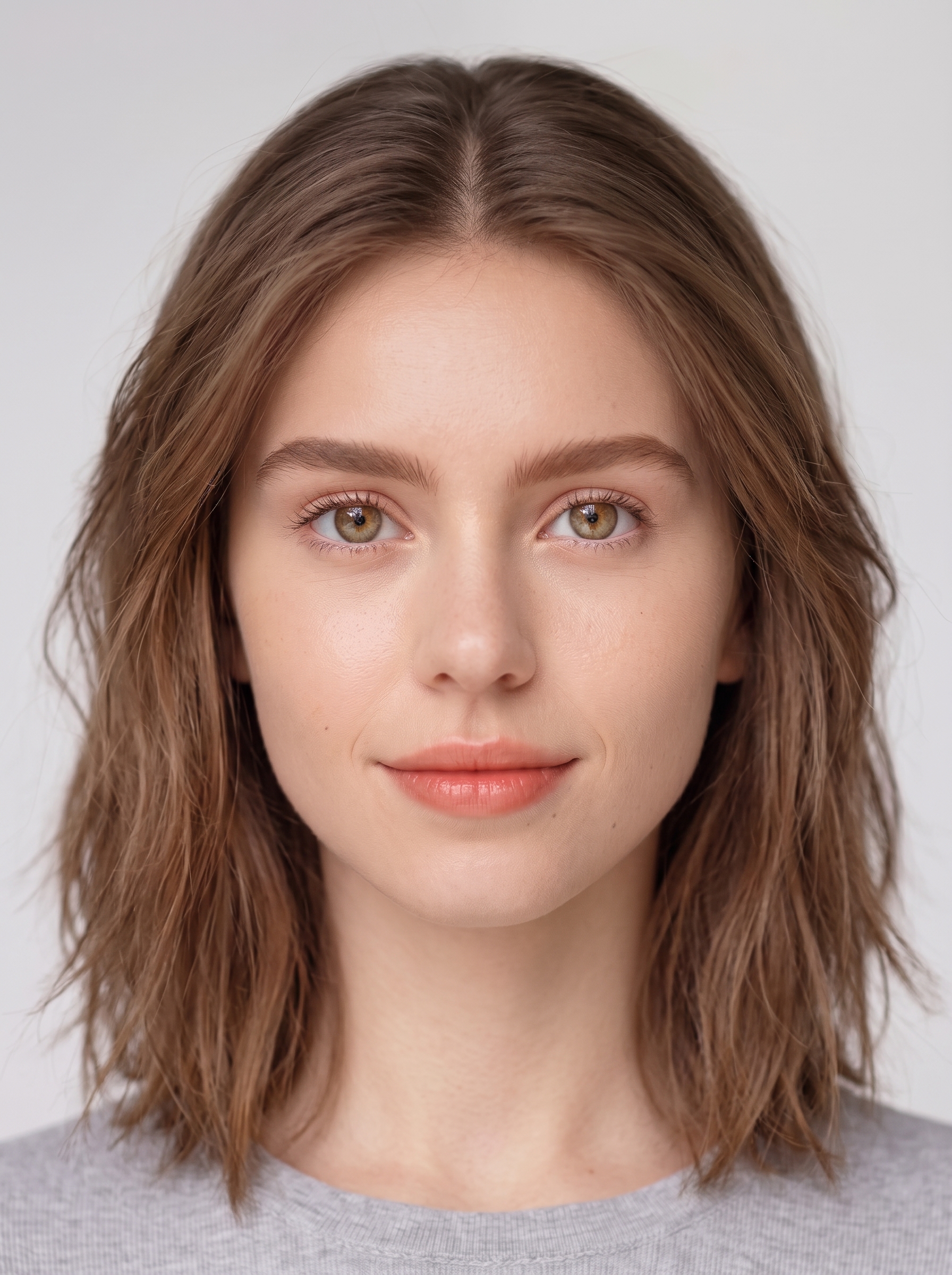
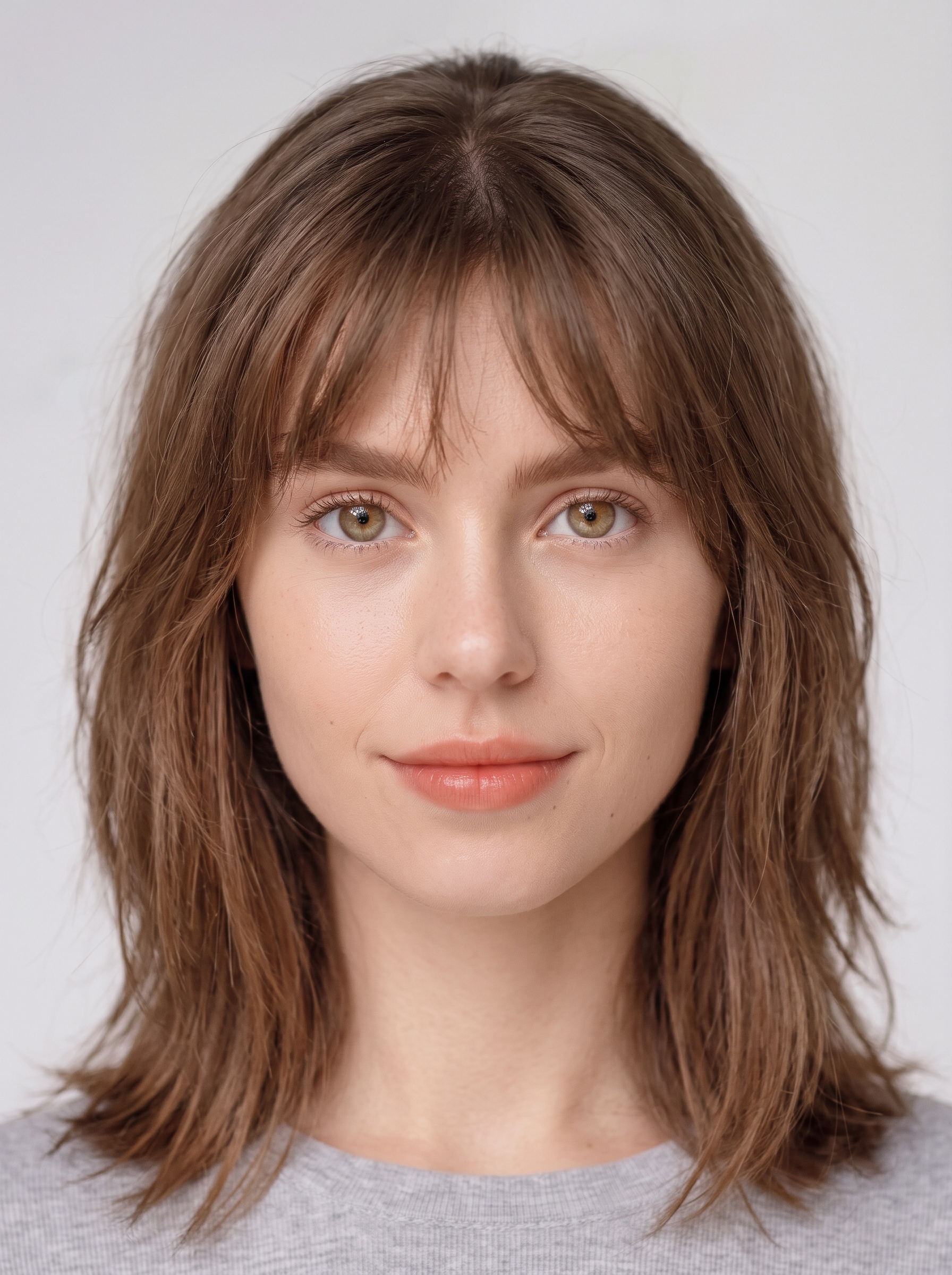
Eye & brow alignment
Not reliably measured from this photo. Clear inner and outer eye landmarks are needed before this relationship can be shown.
Brow geometry is not independently scored from this front-facing image.
01 / Full report · Photo-based analysis
Your face report
This report maps facial proportions and visible feature relationships from one front-facing image, then connects those readings to optional style directions. It is not a beauty, medical, or identity assessment.
Checking report status...
02Overview
A compact map of relationships visible in this front-facing photo. The axes name reading areas; they are not an appearance rating.
Each axis is calculated from the same measurement data used in its corresponding chapter. A larger shape does not mean better.
Three key readings
01 · EYE RELATIONSHIP
Pupil spacing sits within the configured geometric reference range.
02 · FACE SHAPE
The overall face structure reads as oval in this front-facing photo.
03 · BALANCE
The left and right landmark relationships are closely aligned in this front-facing image.
Oval face shape with balanced proportions and high symmetry. Strong features include well-defined cheekbones and even facial thirds. Natural harmony across all measurements provides a versatile foundation for styling.
Next: inspect the measurement evidence, then explore each reading in detail.
03Measurement evidence
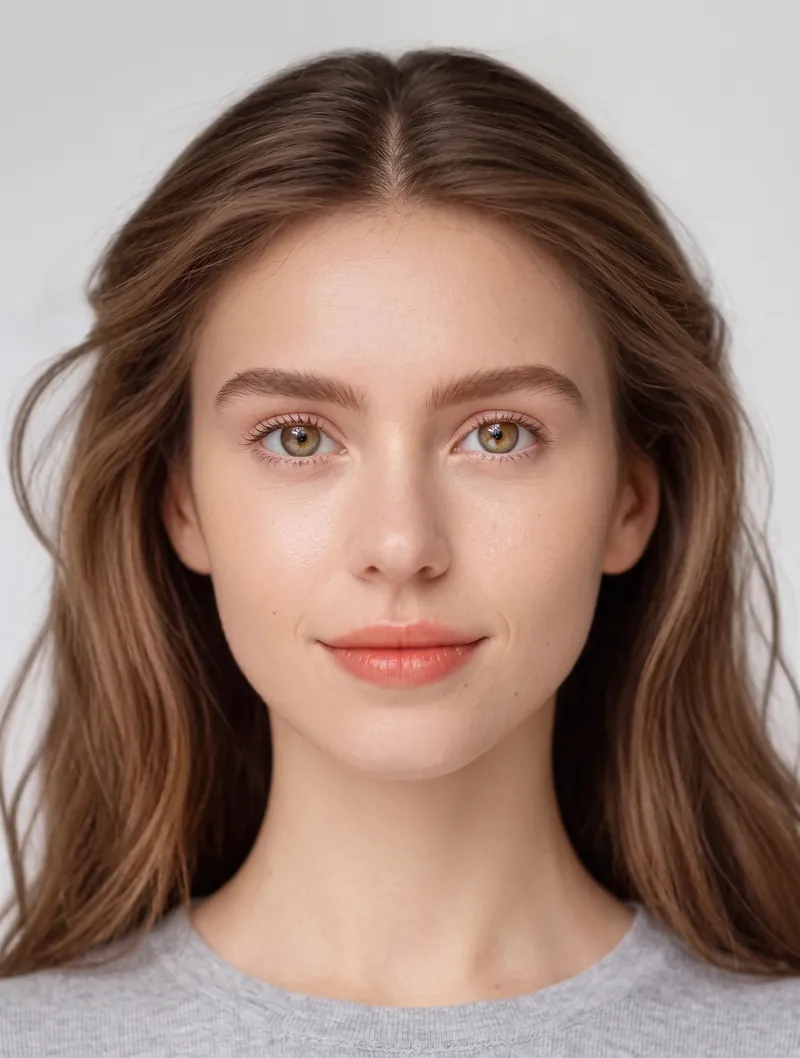
Selected landmarks are shown on the original photo. The report describes visible front-facing relationships only; it does not infer side-view depth or medical information.
04Measured geometry
Landmark-based measurements from your uploaded front-facing photo.
Measurements are two-dimensional estimates. Reliability depends on pose, visibility, lighting, and image quality.
Your measurement evidence
Photo evidence
Open this report in the browser where your photo was analyzed to see the numbered evidence here.
Numbered landmark relationships used for the readings on the right.
Only relationships visible in this front-facing image are shown.
Measured relationships
0.46
Pupil distance ÷ cheekbone width
Reliability: High
0.88
Jaw width ÷ cheekbone width
Reliability: High
1.30
Cheekbone width ÷ upper-face height (brow to nose base)
Reliability: High
33% / 34% / 33%
Estimated from visible forehead landmarks; the hairline may not be fully visible.
Reliability: Medium
Method & Limits
These are two-dimensional estimates derived from facial landmarks in one uploaded front-facing photograph. Reliability depends on visible landmarks, pose, lighting, image quality, and whether relevant facial boundaries are visible. These measurements are styling-oriented, not medical assessments, and do not measure profile depth, bone structure, or hidden facial boundaries.
05Left-right balance
A front-view reading of the left-right balance visible in this photo.
Photo evidence
Open this report in the browser where your photo was analyzed to see the symmetry reference here.
Vertical centre line
Front-view balance reference
Overall symmetry score
Photo-based left-right similarity index. Expression, lighting, and camera angle can influence the reading.
Your high left-right similarity gives you flexibility—most camera angles work well.
Small left-right differences are normal in every face. Your high similarity is uncommon—this report describes how the current photo reads; it is not a requirement to maintain perfect symmetry.
06Eye measurements
Eye spacing, tilt, and shape from the front-facing scan.
Eye spacing
Within referencePupil spacing sits within the configured reference range.
Configured geometric reference · High confidence
Method · pupil distance ÷ visible face width
Canthal tilt
Within referenceOuter eye corners tilt slightly upward, within the neutral range
Configured geometric reference · High confidence
Method · outer eye-corner angle relative to the inner corner
Eye & brow alignment
Not reliably measured from this photo. Clear inner and outer eye landmarks are needed before this relationship can be shown.
Brow geometry is not independently scored from this front-facing image.
07Measured from the front photo
See how the brow-to-nose-base span and visible face width shape the central balance of your front view.
Photo evidence
Open this report in the browser where your photo was analyzed to see the original image with measurement overlays.
What this view shows
Your front photo shows how the central third of your face reads against visible face height — a practical guide for fringe, crown volume, brows, and face framing.
↗What this means for styling
This section establishes a visual baseline for the central face area.
08Front-view ratios
Analysis of your lips, jawline, and chin from the front-facing photo.
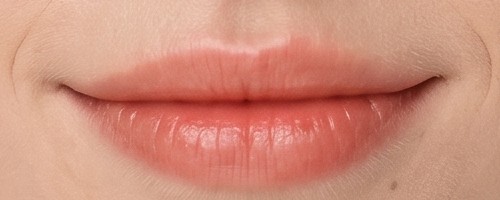
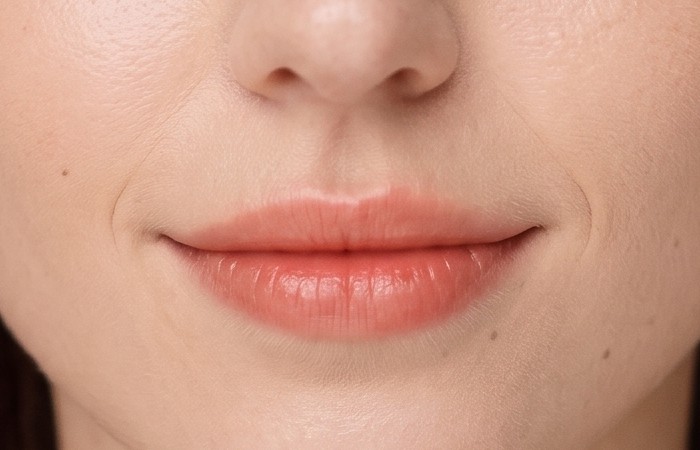
Lower-face read
These front-view ratios describe visible structure, not a grade.
↗What this means for styling
This section gives you a front-view baseline for lips, jawline, and chin; profile-only measurements remain intentionally open. Necklines, lip definition, and the amount of volume around the jaw can reinforce this structure without overcorrecting it.
10Skin
Photo-observed appearance patterns across facial regions.
Computing skin observations...
11Colour direction
💡 Example recommendations: Color palette to demonstrate recommendation format. Your report will contain personalized color recommendations based on your own skin tone and complexion.
Photo reference
Open this report in the browser where your photo was analyzed to see the original image here.
Your complexion reference
Color direction from the current photo
Measured from photo tones
Undertone
Warm
Value
Medium
Contrast
Low-medium
This is a photo-based estimate of the balance between your undertone, value, and contrast. Use the nearby palette first, then compare the closest alternatives in natural daylight.
Wear these near your face
Use these muted, balanced tones for tops, collars, scarves, earrings, glasses, and lip color — the items that most affect how your complexion reads.
Signature
#B48C64
Soft tint
#C0AB96
Warm accent
#AEAE56
Neutral
#897D70
Deep base
#71524B
Gentle contrast
#7F8C63
Light neutral
#A9988E
Soft accent
#73A36C
Earth neutral
#7D7254
Evening depth
#5E363A
These fight your coloring
These colors may be too icy, intense, or high-contrast for the measured palette. They are not forbidden; keep them away from the face or use them as small accents.
Clash
#648CB4
Harsh bright
#60AC39
Dull gray
#878078
Icy contrast
#CFE4E8
Heavy dark
#212931
Neon accent
#14F54C
Style examples
Eight practical ways to bring the palette into your everyday wardrobe and grooming choices.
Work top
Signature
#B48C64
Casual top
Soft tint
#C0AB96
Outerwear
Warm accent
#AEAE56
Dress or shirt
Neutral
#897D70
Scarf or accessory
Deep base
#71524B
Glasses frame
Gentle contrast
#7F8C63
Lip color
Light neutral
#A9988E
Hair-color accent
Soft accent
#73A36C
12Your ranked plan
Focus on maintaining your natural eye-area symmetry through consistent brow grooming, and enhance the visible cheekbone structure with subtle daily techniques.
Target: Eye-area symmetry
Eye spacing and symmetry: 0.46(Reference: 0.42–0.5)Within reference
Your eye spacing and canthal tilt readings are within the configured reference range, supporting a balanced appearance.
What to do
Keep brow grooming consistent and follow the natural arch.
Why: A tidy, natural brow line supports the eye-area symmetry without exaggeration.
Avoid over-plucking or creating a shape that conflicts with the natural tilt.
Why: Extreme brow shapes can make small canthal-tilt variations more visible.
Check the brow line in soft, even light rather than harsh overhead lighting.
Why: Consistent lighting makes it easier to assess whether the grooming supports the natural line.
Why this ranks first
This ranks first because it has straightforward maintenance, immediate visible impact on facial framing, and requires no product investment.
Target: Facial structure emphasis
Jaw-to-cheekbone ratio: 0.78(Reference: 0.72–0.84)Within reference
Your cheekbones are naturally well-defined relative to jaw width, creating visible facial structure.
What to do
Use subtle contouring at the cheekbone hollow to emphasize natural definition.
Why: Light contouring enhances what is already present without creating artificial structure.
Apply in natural daylight and blend thoroughly to avoid harsh lines.
Why: Natural light reveals how the contour will appear in everyday settings.
Reassess weekly in consistent lighting conditions.
Why: Regular checks prevent product buildup and maintain a natural appearance.
13Your daily routine
A simplified, repeatable flow based on your surface observations.
14Personal glow-up plan
A PDF-friendly guide built from this report's evidence and recommendations. Focus on enhancement, not correction.
01 · Your foundation
The measured strengths worth keeping in view as you make styling choices.
High facial symmetry
Excellent left-right balance across eyes, nose, and mouth provides a harmonious foundation.
Prominent cheekbones
Well-defined cheekbone structure creates natural contour and dimension.
Balanced facial thirds
Even distribution of upper, middle, and lower face creates classical proportions.
02 · Start this week
Begin with the most practical, reversible actions from your report.
Try textured layers
Ask for textured layers starting at cheekbone level with slightly shorter pieces framing the face First signal: Immediate.
Add crown volume
Use a volumizing mousse at roots and blow-dry with a round brush First signal: Immediate.
Consider oval frames
Look for oval or rounded frames in medium width that sit at or just below brow line First signal: Immediate.
03 · Four weeks
Build a repeatable look through small experiments, not structural change.
Week 1 — Establish
Keep the simplest daily steps consistent and note what already feels good.
Week 2 — Try
Test one report-backed hair, color, or grooming direction.
Week 3 — Refine
Keep the option that fits your routine; simplify anything you will not repeat.
Week 4 — Review
Compare in similar light and keep only the changes that feel like you.
04 · Every day
The three habits worth repeating every day. For the full product order and personalised reasoning, see Section 13 — Your daily routine.
AM — Protect your baseline
Keep your morning routine simple and consistent; Section 13 has the complete order.
PM — Reset and replenish
Give your evening routine the same consistency; Section 13 explains each step.
One finishing detail
Choose one small grooming action—such as tidying brows, lips, or hair—rather than adding another full routine.
05 · Ongoing
General support for comfort and consistency; this is not medical or nutritional advice.
Protect your routine
Use daily sun protection and avoid adding multiple new products at once.
Support recovery
Prioritize regular sleep, hydration, and a varied diet that you can sustain.
Keep expectations grounded
These habits support day-to-day appearance and comfort; they do not alter facial structure or measurements.
06 · Keep for reference
Your report-backed hair, color, and grooming directions in one place.
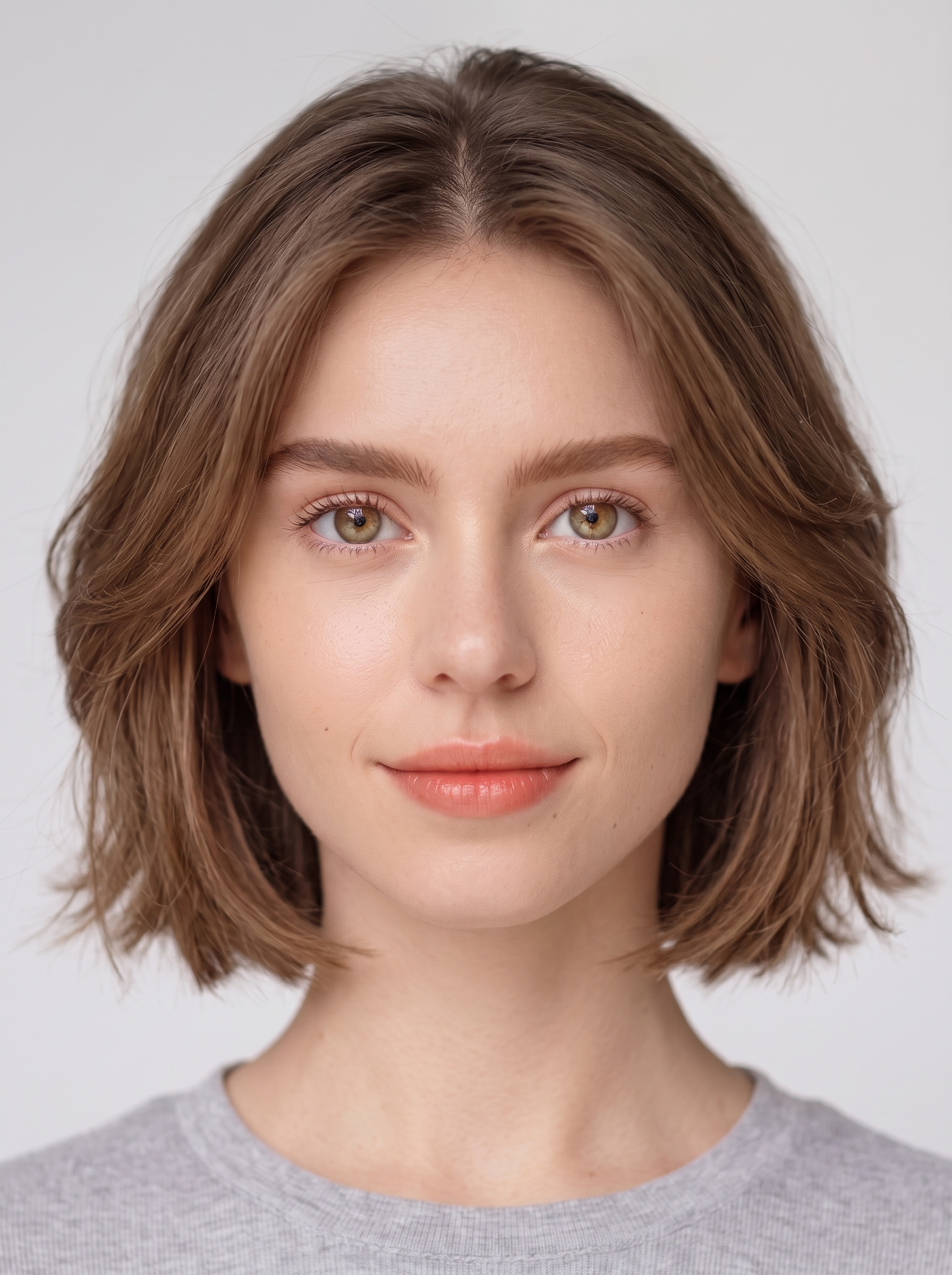
Soft Layered Bob
Softens angles while maintaining the oval structure
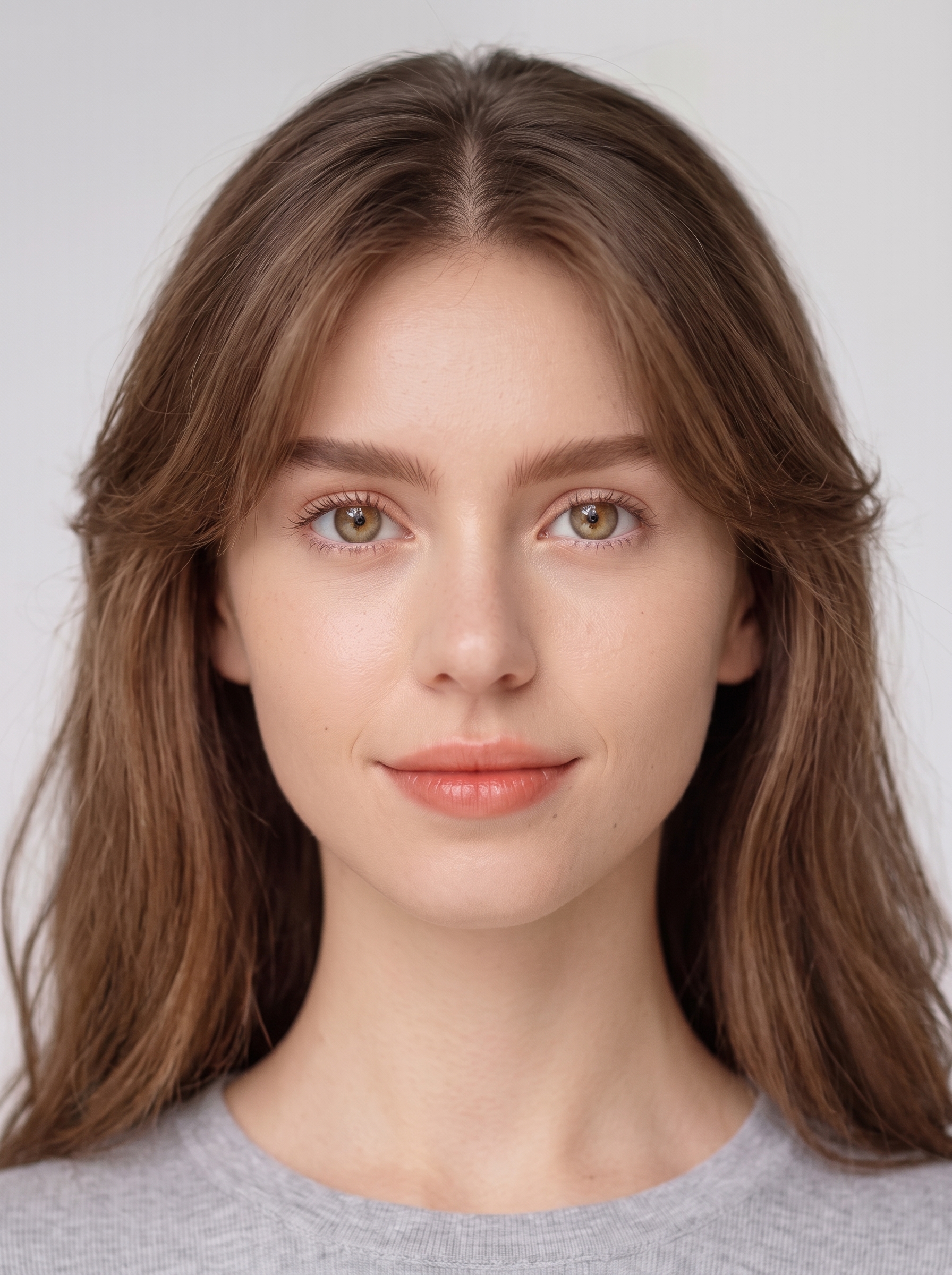
Curtain Bangs with Long Layers
Center-parted bangs create soft face-framing effect
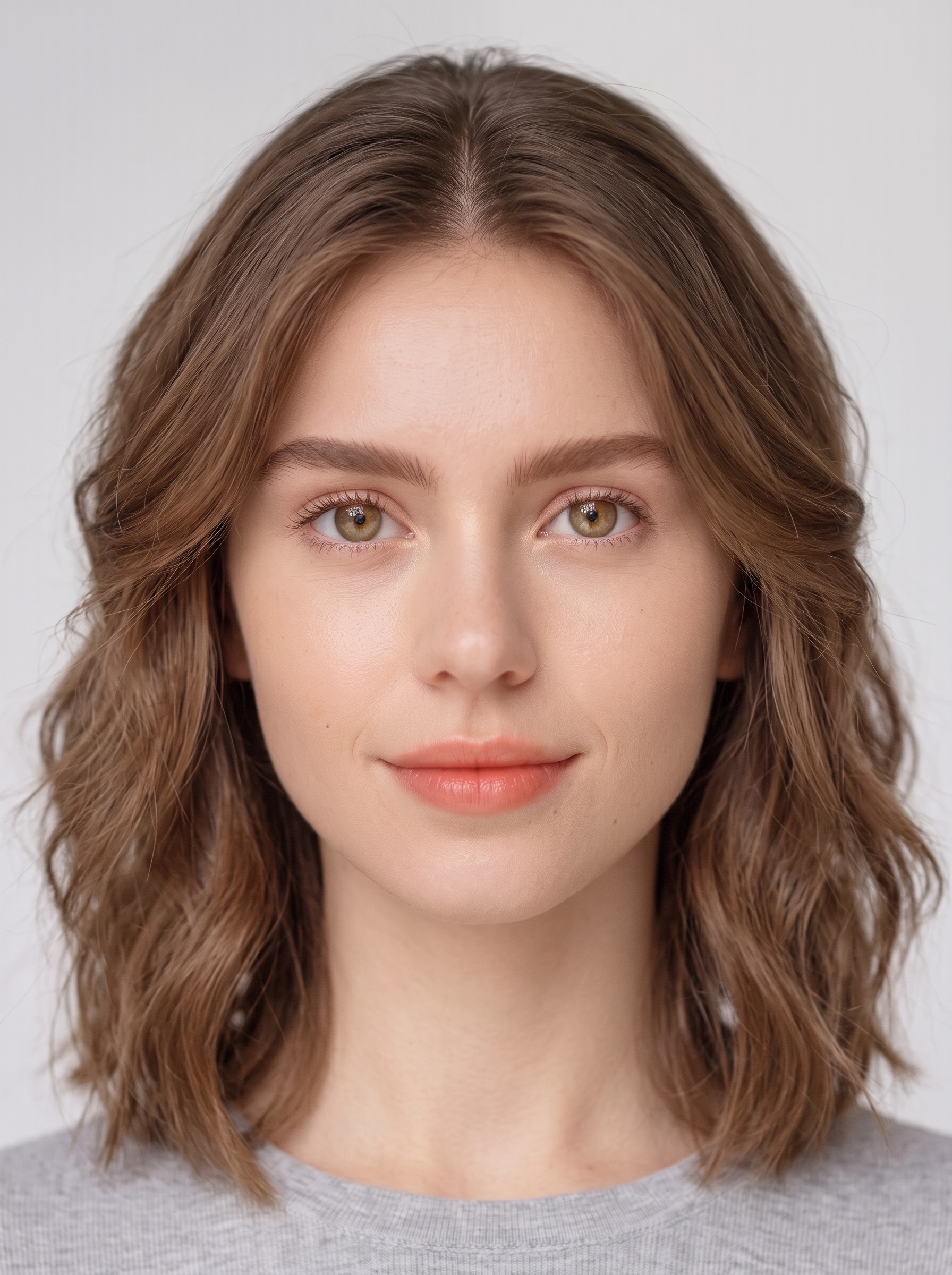
Cheekbone Volume Waves
Strategic volume at cheekbone level enhances natural structure
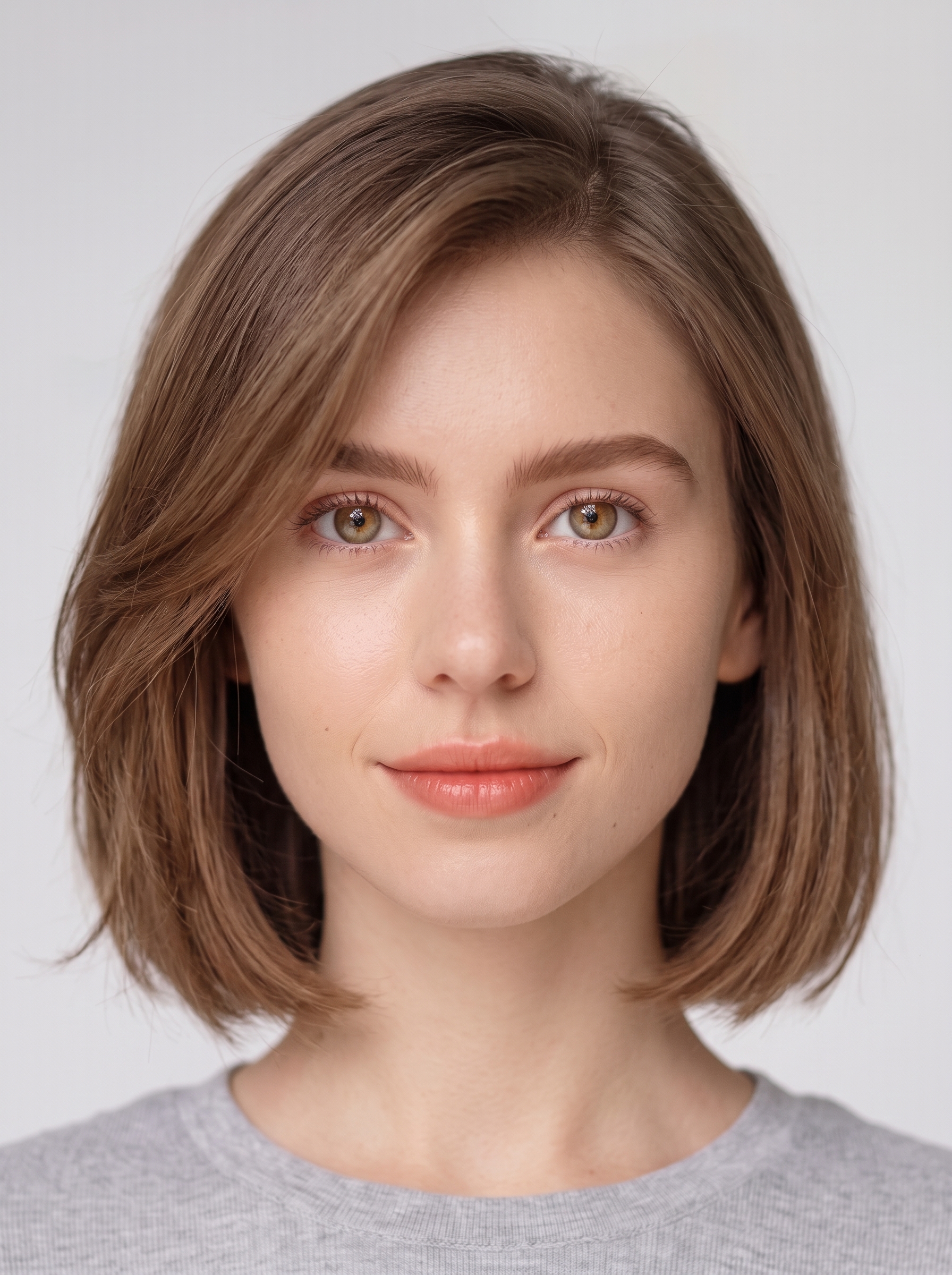
Side Part Soft Bob
Defined side part creates asymmetry and interest
Textured Lob
Collarbone length complements oval structure
Soft Fringe Medium Cut
Soft wispy fringe adds youthful dimension
15Technical details
How this report was generated and what it can and cannot tell you.
MediaPipe Face Mesh · 478 landmarks detected
09Personalized style directions
💡 Example recommendations: Six hairstyle ideas selected from measured facial structure to demonstrate recommendation format. Your report will contain personalized recommendations based on your own measurements.
Softens angles while maintaining the oval structure
Layers at cheekbone level emphasize natural definition
Actual results depend on your natural texture, density and the cut technique.
Strategic volume at cheekbone level enhances natural structure
Creates fullness where it enhances balance most
Actual results depend on your natural texture, density and the cut technique.
Center-parted bangs create soft face-framing effect
Long layers add natural movement and balance
Actual results depend on your natural texture, density and the cut technique.
Defined side part creates asymmetry and interest
Combines structure with movement for balanced look
Actual results depend on your natural texture, density and the cut technique.
Collarbone length complements oval structure
Modern effortless finish works with natural texture
Actual results depend on your natural texture, density and the cut technique.
Soft wispy fringe adds youthful dimension
Light textured bangs soften forehead proportions
Actual results depend on your natural texture, density and the cut technique.